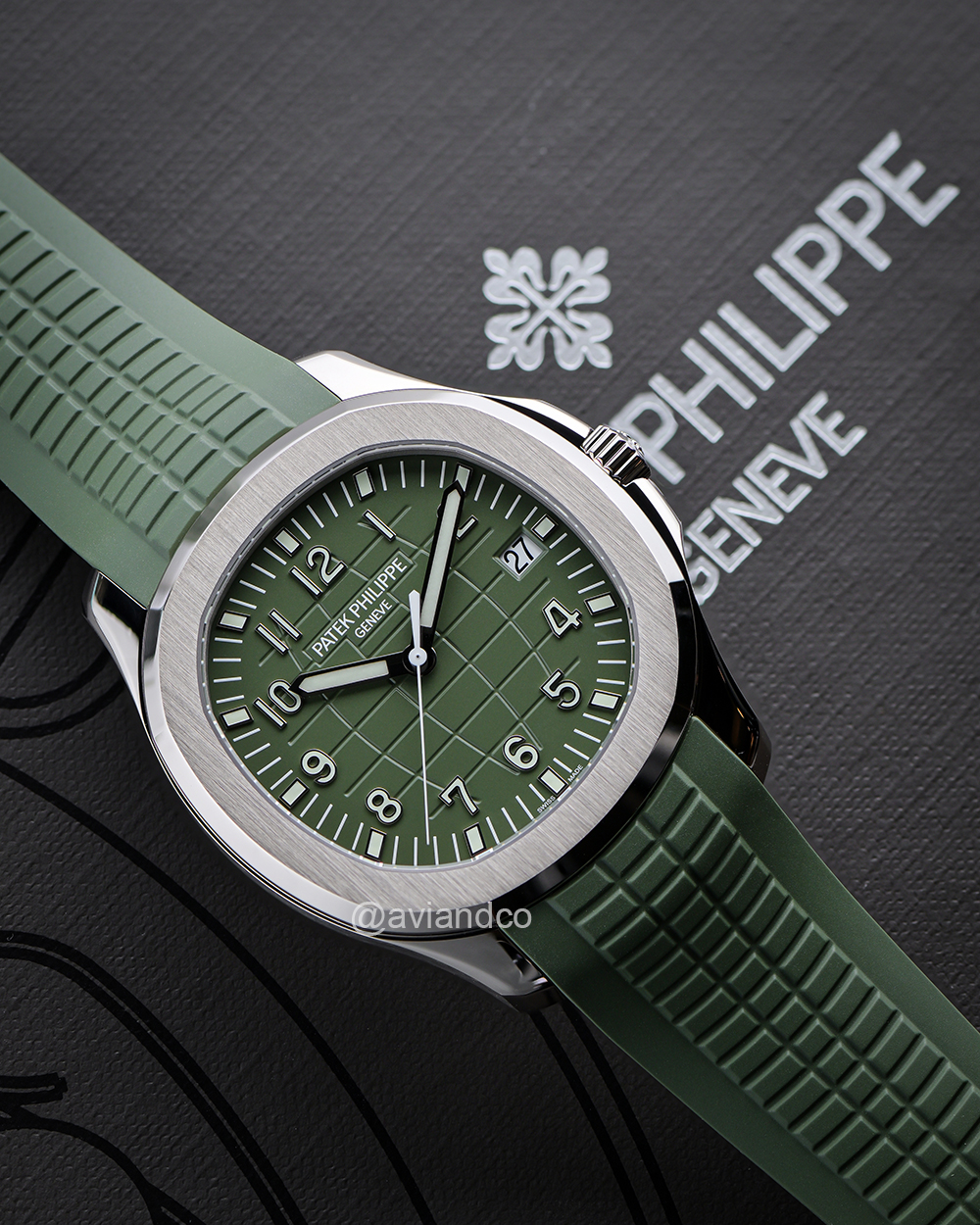
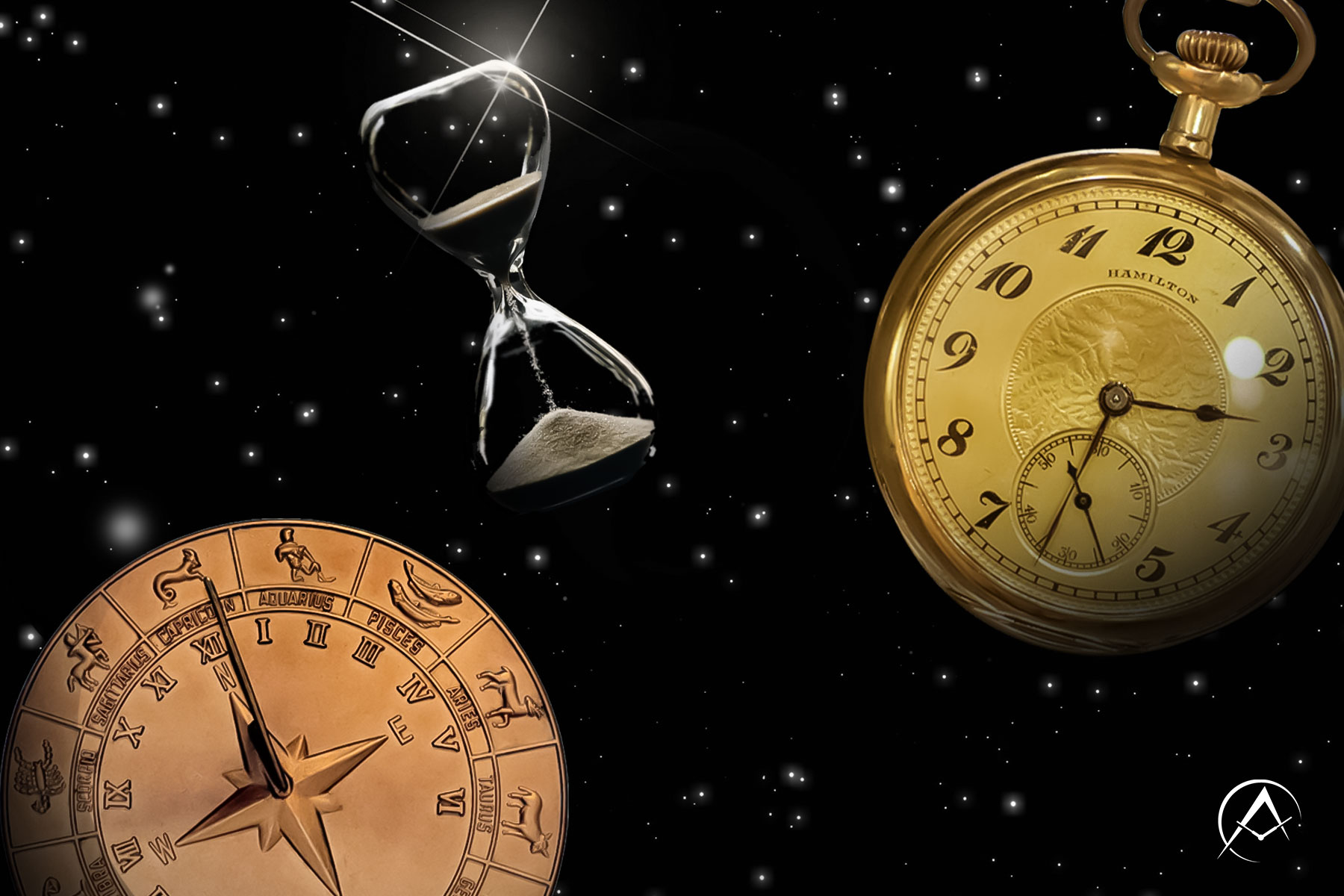
Today’s luxury wristwatches hail from a rich lineage of horological history… so let’s take a trip back in time to explore the origins of telling time and the storied traditions that have ultimately yielded the functional and stylish watches we know and love today.
Early Clocks and Time Telling
Evidence suggests that people had been telling time long before they started recording it. People used sundials to measure time long before they became common garden decorations. The sundial is one of the oldest time-measuring instruments, and its first use was recorded around 1500 BC.
Though the sundial was commonplace in both China and Egypt, there were major flaws with the instrument. With gaps between the sun setting and rising, there was no way of telling time at night. Sundials were also typically quite large and therefore had to remain stationary.
To fill the gap between sunset and sunrise that the sundial created, people experimented with different apparatuses. They burned four-hour candles with markings spaced one inch apart, each inch representing twenty minutes. People also experimented with hourglasses, which preceded the water clock. The specific time an hourglass could measure depended on the quantity and coarseness of the sand, bulb size, and neck width.
While you are probably familiar with a sundial and an hourglass, water clocks are less of a well-known watch predecessor. Early water clocks used either inflow or outflow mechanics. Here is one explanation of how the water clock works:
“Both designs involved two large containers. One container was filled with liquid and suspended over the second one. Water dripped through a hole in the bottom of the filled container to the bottom one.”
While they may have found the flow of the water soothing, the people craved convenience.
Mechanical, Pendulum, Cuckoo, and Decimal Clocks
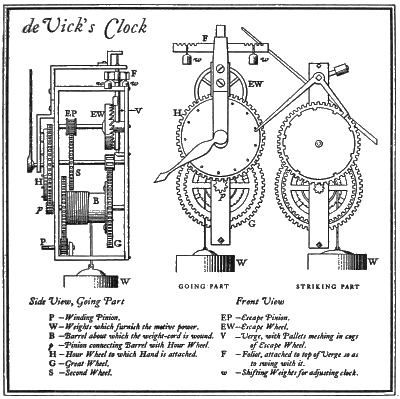
Mechanical clocks became popular in the 13th century, during the European Renaissance period. They were first developed in medieval times. The clock used a crown wheel escapement to control its rate and make its gear train move at regular ticks.
These clocks told time by striking bells. Henry de Vick built the most famous mechanical clock in 1360. It was the basis of improvements in timekeeping for the next 300 years.
The invention of the mainspring in the early 15th century made it possible to create small clocks for the first time. Christiaan Huygens patented the first pendulum clock in 1656. Using the developing science of astronomy increased the accuracy of measuring time.
The first pendulum clocks used a verge escapement to control their rates. They required wide swings of about 100°, hence the short, light pendulums. Although Huygens' invention was the first accurate clock, it did not have a dial, nor was it portable.
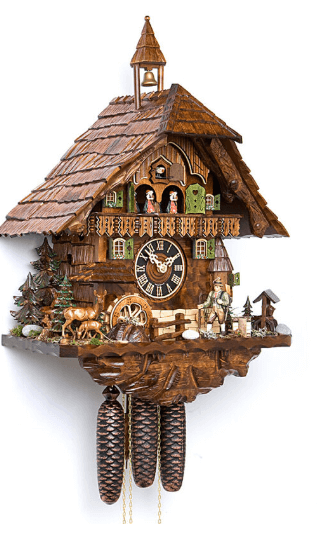
In 1629, Philipp Hainhofer penned the first cuckoo clock in 1629. These beautifully crafted clocks may remind people of their grandparents’ homes. Some people associate the clocks with memories of Germany's Black Forest, where the devices originated. Farmers would craft these musical clocks to earn a living while their farms were dormant during the frigid winters.
After the French Revolution, the French government assigned decimal time. Pierre Daniel Destigny in France made the decimal clock. It divided the day into 10 hours, with 100 minutes per hour and 100 seconds per minute.
In 1754, mathematician Jean le Rond d'Alembert suggested the concept of breaking the day down into multiples of 10. People didn't want to adjust to something they weren't accustomed to, regardless of the easy mathematics behind the decimal clock. (That, and replacing every clock was becoming too costly.) Decimal time stopped after just 17 months, though a select few people continued to use decimal clocks for years afterward.
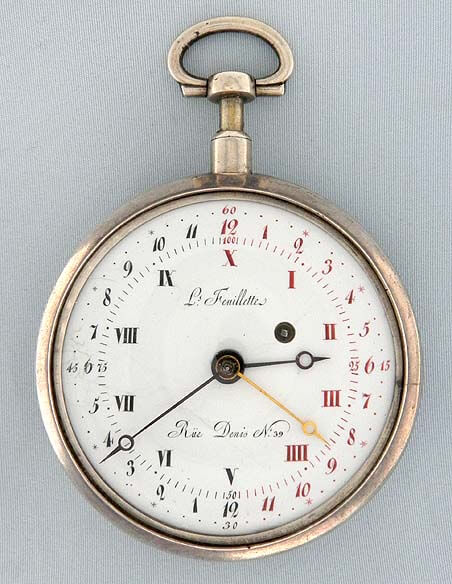
The Origins of the Pocket Watch
Sailors used to use an hourglass to keep track of their 4-hour shifts, or watches. (Ah, so that’s where the word comes from!)
A German locksmith named Peter Henlein invented the world’s first portable, pocket-sized clock in the mid-1500s. Thus, the Swiss watch industry was born.
The first clocks were created by blacksmiths with the ability to bend and form iron. However, new materials such as brass, bronze, and silver became favorable as time went on. Additionally, the specifics of these miniature clocks continued to change over time. For example, the minute hand wasn’t introduced until 1680.

Pocket watches like Henlein’s creations began as necklaces, as this was how kings preferred to wear them. King Charles II popularized the waistcoat as a fashionable way to dress, and the popularity of the pocket watch skyrocketed with it. The three-piece suit is still as fashionable today as it was then.
17th-century pocket watches were a great way to display wealth, as they were significant investment pieces. In the past, wealthy men hung them on a short chain. This enabled them to easily slip out of their coats. It also allowed for more protection, since the pocket watch was originally made without the glass protecting the dial.
Once watchmakers mastered the accuracy of timekeeping, they created pocket watches with features such as calendars, stopwatches, and astronomical indicators.
Calvin, Watches, and the Jewelry Ban
Another factor that led to the popularity of watches? Stern teachings of reformist cleric John Calvin led jewelers to learn a new trade: watchmaking. Calvin fled to Geneva in the late 1500s after a Protestant uprising in France. With his ban on wearing jewelry, shops could no longer display luxury gold and diamonds.
Geneva’s goldsmiths and jewelers from France and Italy came to the rescue. As refugees as well, they helped Geneva turn to watchmaking instead. Calvin allowed watches and clocks to be made due to their necessity.
And now, people consider watches as one of the most luxurious forms of jewelry to date. That’s quite the loophole he got himself into!
The Dawn of the Wristwatch
In the early days of watchmaking, women's watches were traditionally more embellished. The women wore them as pendants or on a chatelaine, which was a short chain attached to their belts.
In 1868, Countess Koscowicz of Hungary had a bracelet watch made by well-known manufacturer Patek Philippe. The common practice of frequently checking the time with a pocket watch was becoming inconvenient, especially because women’s clothing did not always have a pocket in which to store said watches.

World War I popularized the so-called “trench watch,” a nickname for the wristwatch. The soldier created it to keep an eye on the time without having to carry around extra equipment. For an aviator or soldier to carry out their mission as planned, the wristwatch became more practically manufactured. The U.S. marketed the wristwatch to soldiers as a necessity to their uniform.
This mass production in the 20th century allowed for cheaper materials and new mechanics in winding. These changes then opened the watch industry to ordinary people, not just the rich.
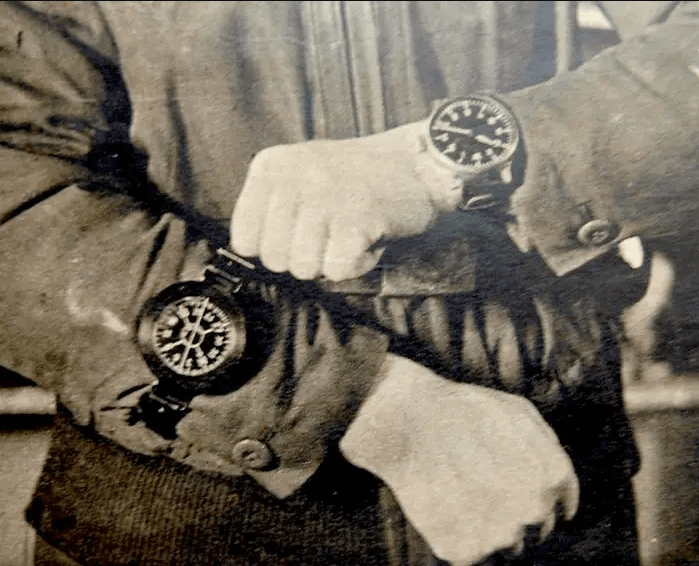
While women began wearing wristwatches in the 19th century, men didn’t jump into the popularization of wearing the fashion around their wrists until the start of the first World War. By 1916, the pocket watch had fallen out of fashion, and the wristwatch became the standard accessory for timekeeping.
Modern Watches: From Necessity to Accessory
The accessible and aesthetic wristwatch, though always changing, is still just as popular today as it was during WWI. Technology lets designers make pieces at different price points so everyone can afford them. Now, people consider it uncommon not to own one. That said, watches at a luxury price point remained reserved for a lucky few.
Throughout history, watches have played various roles in people’s outward expression of their style, taste, and social status. They have been financial investments and tools of war. They serve as a reflection of the ways that clothing and accessories can shape technology and our lives.
Just like we can show off our personality in clothes, the way we accessorize helps us express ourselves as well. A luxury watch remains a timeless purchase and people often celebrate its versatility. There has also been a notable shift in thought among young wearers making style decisions around growing their watch collections.
People no longer want to lock away antique watches; they want to enjoy their value. They need regular winding and servicing to stay in top-notch condition. Watches have become a collector’s item. They are more valuable and become a greater investment the longer you own them in good condition.
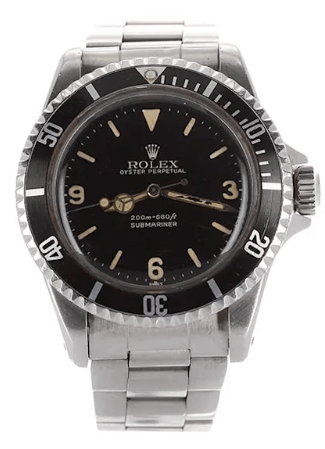
A luxury watch can be an accessory, an investment, and a statement piece. Its relevance stems back to the 1960s, when many men started buying Rolexes to celebrate their promotions. Fast forward to today, and you will see that Rolex watches remain symbols of success or making savvy investments.
Explore the Latest Watch Technology
Calculator watches preceded today’s smartwatches, as did novelty watches with simple computer games. They were introduced in the late 1970s and remained popular throughout the 1980s, when they created the first computer watch.
In 1994, Timex’s Datalink wrist watch could communicate wirelessly with a PC. Steve Mann designed the first Linux wrist watch in 1998.
In 1999, Samsung offered a watch phone with a full 90 minutes of talk time. From 2003 to 2010, developers created new smartwatches. These smartwatches continued to develop over the years, and then Apple introduced its first smartwatch in 2014.
Today, top manufacturers offer smartwatches, all with unique features. Technology may keep advancing, but the idea of the watch is still, as they say, timeless. Wristwatches remain valuable to collectors all around the world for their beauty and style. Fashion trends always veer towards the traditional, and the legacy of the watch remains strong.
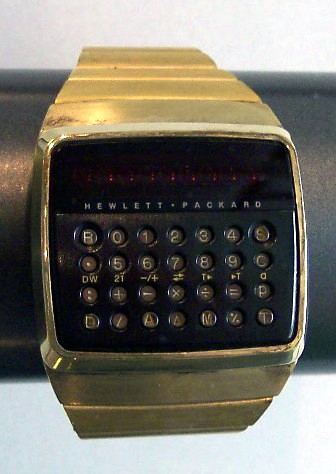
Will the evolution of the watch be even lighter and slimmer? Will they be compatible with our hovercrafts? Avi & Co. is excited to see where the watch world will take us.
With the rich horological history that has brought wristwatches from the 19th century through present day, there is always room for another gorgeous luxury watch in your collection. At Avi & Co., you can shop for big-name brands ranging from Richard Mille to Rolex and from Patek Philippe to Audemars Piguet.
Get your hands on the latest innovations in watchmaking in one of our three upscale boutiques, located in New York, Miami, or Aspen. Schedule an appointment to come visit us today!