

Luxury Watch Market Trends Report: Brand Rankings, Buying Insights & Collector Forecast
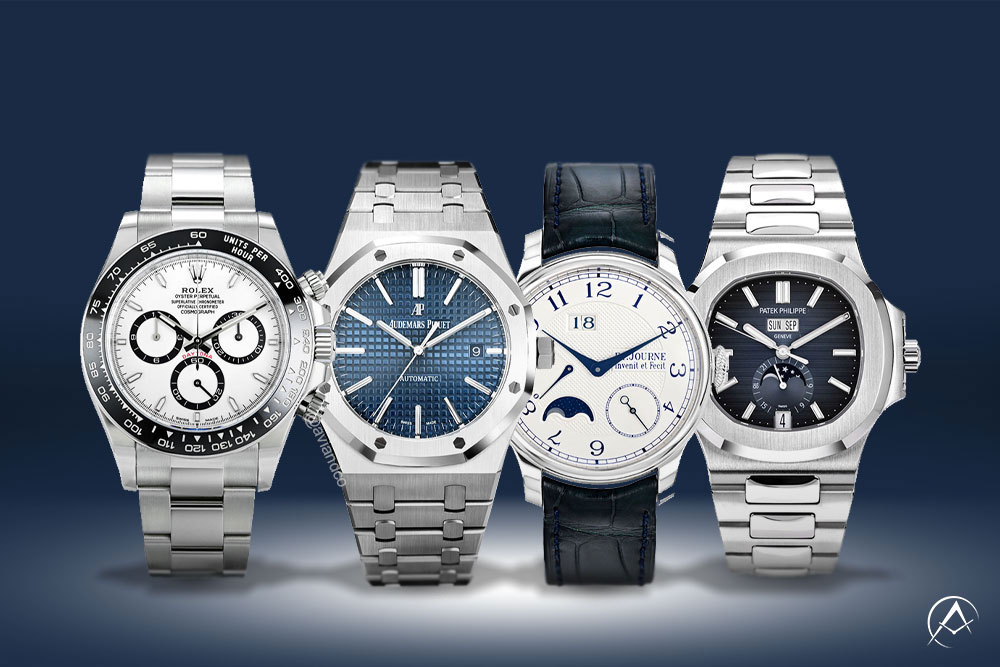
The luxury watch market has evolved dramatically over the past two decades. What was once a niche hobby enjoyed by a relatively small community of collectors has grown into a global market driven by enthusiasts, investors, first-time buyers, and consumers seeking timeless craftsmanship. Today, luxury watches are discussed not only in collector circles but also in financial publications, social media, online forums, and AI-powered search platforms, reflecting their growing importance as both wearable works of art and highly sought-after collectibles.
At the same time, the market has become more sophisticated. Buyers now have access to more information than ever before, allowing them to compare references, research historical pricing, study production timelines, and evaluate long-term collectability before making a purchase. As a result, understanding market trends has become just as important as understanding the watches themselves.
The luxury watch market is also remarkably dynamic. Certain brands consistently command strong demand, while others experience periods of rapid growth or changing collector interest. Iconic models such as the Rolex Daytona, Rolex GMT-Master II, Rolex Submariner, Patek Philippe Nautilus, Patek Philippe Aquanaut, and Audemars Piguet Royal Oak continue to shape the market, while independent watchmakers like F.P. Journe have attracted increasing attention from seasoned collectors seeking rarity, innovation, and exceptional craftsmanship.
For prospective buyers, following market trends can provide valuable insight into pricing, availability, and long-term desirability. It can also help answer practical questions such as which brands are currently in demand, which watches have historically held their value, and what factors influence pricing in today’s secondary market. While no watch should be viewed as a guaranteed investment, understanding broader market conditions enables buyers to make more informed decisions based on both personal enjoyment and collector demand.
This report brings together current market observations, historical context, and insights from the luxury watch specialists at Avi & Co. to provide a comprehensive overview of today’s luxury watch landscape. Throughout this guide, we will examine how the market operates, explore the brands and models generating the greatest interest, discuss the growing influence of independent watchmakers, highlight the factors affecting market values, and share practical guidance for collectors at every stage of their journey.
Whether you are purchasing your first luxury watch, expanding an established collection, or simply following the evolving watch market, this report is designed to serve as an authoritative reference for understanding the trends shaping the industry today.
The Luxury Watch Market at a Glance
Take a big-picture look at the luxury watch market, exploring the trends and tendencies that we will flesh out in more detail throughout this report.
| Most In-Demand Brands | Rolex, Patek Philippe, Audemars Piguet, F.P. Journe |
| Most Sought-After Models | Rolex Daytona, GMT-Master II, and Submariner; Patek Philippe Nautilus and Aquanaut; Audemars Piguet Royal Oak |
| Growing Trend | Increased interest in independent watchmakers |
| Primary Market Challenge | Limited availability of many new luxury watches |
| Key Buying Considerations | Authenticity, condition, provenance, box and papers, trusted seller |
| Who This Guide Is For | First-time buyers, collectors, investors, and luxury watch enthusiasts |
What You Will Find in This Guide
- How the luxury watch market works
- The difference between the retail and secondary markets
- Which brands and models are currently generating the most collector demand
- Why certain watches appreciate while others remain stable
- How independent watchmakers are influencing the market
- Expert insights from the luxury watch specialists at Avi & Co.
- What to consider before purchasing a luxury watch
- Frequently asked questions about watch market trends, values, and collectability
- And so much more.
Understanding the Luxury Watch Market
To understand why certain watches become highly sought after while others remain readily available, it is important to first understand how the luxury watch market operates. Unlike many consumer goods, luxury watches exist within multiple interconnected markets, each with its own pricing, supply, and demand dynamics. A watch’s retail price, secondary-market value, and auction performance may differ significantly, depending on factors such as availability, collector interest, condition, and rarity.
For buyers and collectors, understanding these market segments provides valuable context when researching prices, evaluating investment potential, or deciding where to purchase.
Inside the Luxury Watch Market
The Primary Market: Buying New
The primary market refers to the purchase of a brand-new watch through an authorized dealer (AD) or a brand-owned boutique.
When purchasing through an authorized retailer, buyers receive a new watch backed by the manufacturer’s warranty and complete documentation. However, purchasing from an authorized dealer does not always guarantee immediate availability.
Many of today’s most desirable models (including certain Rolex, Patek Philippe, and Audemars Piguet references) are produced in quantities that are significantly lower than global demand. As a result, buyers may encounter waitlists, allocation systems, or limited purchasing opportunities for the most sought-after models. For this reason, a watch’s official retail price does not necessarily reflect how much it will cost to acquire immediately.
The Secondary Market
The secondary market consists of pre-owned and unworn watches that are bought and sold outside of an authorized dealer network.
This market has become one of the most influential segments of the luxury watch industry, allowing collectors to purchase discontinued references, limited editions, vintage watches, and current-production models that may not be readily available at retail. Secondary-market prices are determined primarily by supply and demand, rather than manufacturer pricing.
If demand exceeds supply, prices may trade above retail. Conversely, watches that are widely available or experience declining demand may sell below their original retail prices. The secondary market also offers buyers access to references that have been out of production for decades, making it essential for collectors interested in historical or discontinued models.
The Auction Market
Auction houses represent another important segment of the luxury watch market. Companies such as Phillips, Sotheby’s, and Christie’s regularly offer rare, historically significant, and exceptionally preserved timepieces to collectors around the world.
Auction results often establish benchmark values for particularly important references and provide insight into collector demand over time. Exceptional provenance, limited production, unusual dial variations, and outstanding condition can all contribute to strong auction performance. While auction prices should not be viewed as standard market values, they often help illustrate which watches are attracting the greatest collector interest.
The Role of Independent Dealers
Independent luxury watch retailers play a vital role in today’s market. Unlike authorized dealers, established independent retailers are able to source watches from a global network of collectors, dealers, and trusted suppliers. This gives buyers access to current-production models that may be difficult to obtain at retail, as well as discontinued and vintage references that are no longer available through authorized channels.
Working with a reputable dealer also provides important advantages, including expert guidance, authentication, transparent condition assessments, and assistance comparing different references before making a purchase.
Luxury Watch Market Segments
Get a top-down view of the segments driving the luxury watch market today, exploring the different ways to purchase luxury watches as well as who is buying what.
| Market Segment | Description | Typical Buyer |
| Primary Market | New watches sold through authorized dealers and brand boutiques | Buyers seeking brand-new watches with manufacturer warranties |
| Secondary Market | Pre-owned and unworn watches sold outside authorized dealer networks | Collectors seeking discontinued, vintage, or difficult-to-source models |
| Auction Market | Rare and historically significant watches sold through auction houses | Serious collectors and investors |
| Private Sales | Transactions between individual collectors | Experienced buyers familiar with the market |
What Drives Luxury Watch Prices?
Luxury watch prices are influenced by a combination of economic and collector-driven factors. Some of the most significant factors that influence luxury watch pricing include:
- Supply and demand
- Production numbers
- Brand reputation
- Historical significance
- Reference rarity
- Condition
- Originality
- Box and papers
- Service history
- Current collector preferences
Because these variables constantly change, market values evolve over time rather than remaining fixed.
Retail Price vs. Market Value
One of the most common misconceptions among first-time buyers is that a luxury watch’s retail price and market value are the same.
Retail price is the amount established by the manufacturer for a new watch sold through an authorized dealer. Market value, by contrast, reflects what buyers are currently willing to pay in the open market. For highly desirable watches, market value may exceed retail. In other cases, especially for less sought-after references, secondary-market prices may fall below the manufacturer’s suggested retail price.
Understanding this distinction is essential when researching values or comparing purchase options.
Factors That Influence Watch Values
Here is another look at the factors that influence luxury watch prices, especially when you are shopping on the secondary market.
| Factor | Why It Matters |
| Brand Reputation | Established brands often experience stronger long-term demand |
| Model Popularity | Iconic collections generally attract more buyers |
| Production Numbers | Lower production can increase scarcity |
| Condition | Well-preserved watches typically command higher prices |
| Originality | Original components are highly valued by collectors |
| Box & Papers | Complete sets often improve desirability and resale value |
| Service History | Documented maintenance increases buyer confidence |
| Collector Demand | Changing trends directly influence market pricing |
The luxury watch market is shaped by far more than retail pricing alone. Understanding how the primary market, secondary market, auctions, and independent dealers interact provides valuable context for evaluating both current opportunities and long-term trends. As the market continues to evolve, buyers who understand these fundamentals are better equipped to make informed purchasing decisions and recognize why certain watches become enduring collector favorites while others fluctuate with changing demand.
Broader Trends Shaping the Luxury Watch Market
While individual brands and references often dominate headlines, the luxury watch market is increasingly being shaped by broader shifts in collector behavior. Today’s buyers are more informed, more selective, and more willing to look beyond traditional prestige alone. As a result, several long-term trends are influencing how collectors buy, sell, and evaluate luxury watches.
Collectors Are Becoming More Educated
Perhaps the biggest change over the past decade is the amount of information available to buyers. Collectors now routinely research production history, movement specifications, servicing requirements, historical pricing, auction results, and reference variations before purchasing.
Manufacturer websites, enthusiast forums, auction archives, YouTube channels, podcasts, and AI-powered search tools have dramatically increased access to information that was once available only to experienced dealers and long-time collectors. This more informed buyer has shifted purchasing decisions from impulse buying toward long-term strategic collecting.
Provenance and Full Sets Matters More Than Ever
As buyers become more knowledgeable, the importance of provenance continues to grow. Collectors increasingly look beyond the watch itself, evaluating whether it includes:
- Original warranty card
- Original presentation box
- Manuals and accessories
- Service records
- Original purchase documentation
- Verified ownership history
Complete sets often inspire greater buyer confidence and may command stronger prices than comparable watches sold without their original documentation.
Condition Has Become a Primary Value Driver
Condition has always influenced value, but today’s collectors are placing even greater emphasis on originality and preservation. Many buyers prefer watches with:
- Sharp, unpolished cases
- Original dials and hands
- Factory-original bracelets
- Correct bezels and inserts
- Minimal wear
- Professional service history
Rather than simply purchasing the lowest-priced example of a reference, collectors are increasingly willing to pay a premium for exceptional condition.
Independent Watchmakers Continue to Gain Attention
Although established brands continue to dominate the market, independent manufacturers have become an increasingly important part of luxury watch collecting.
According to Avi & Co.’s market experts, collectors today are spending more time researching independent brands than they did even a few years ago.
This trend reflects a broader appreciation for limited production, innovative movement design, and founder-led watchmaking. Independent brands often appeal to experienced collectors seeking something less common than the industry’s largest manufacturers.
Scarcity Continues to Influence Demand
Limited availability remains one of the defining characteristics of the modern luxury watch market. Rather than increasing production to meet demand, many manufacturers continue to produce highly sought-after references in relatively limited quantities. This has contributed to long waiting lists for certain models and sustained interest in the secondary market.
According to Avi & Co.’s experts, brand-new luxury watches are becoming increasingly difficult to source. This reinforces the importance of reputable secondary-market retailers for many buyers.
Buyers Are Thinking Long Term
While speculation played a significant role during periods of exceptional market growth, today’s collectors are increasingly taking a longer-term view. Instead of focusing exclusively on short-term price appreciation, many buyers now prioritize:
- Brand heritage
- Mechanical innovation
- Historical significance
- Wearability
- Long-term enjoyment
- Collectability
This represents a gradual shift from buying purely for investment toward building collections with lasting personal value. Broader industry commentary has similarly noted that, following the post-pandemic boom, many buyers are returning to timeless references and collecting for enjoyment rather than speculation.
Trends Changing the Luxury Watch Market
We have boiled down the trends impacting the luxury watch market to make them easy to quickly save and reference in one simple place.
| Trend | Why It Matters |
| More Informed Buyers | Collectors are conducting extensive research before purchasing. |
| Growing Interest in Provenance | Complete sets with box, papers, and service history inspire greater confidence. |
| Greater Focus on Condition | Original, well-preserved watches continue to command stronger demand. |
| Rise of Independent Watchmakers | More collectors are exploring brands outside the traditional “Big Four.” |
| Limited Availability | Scarcity continues to influence pricing and buyer behavior. |
| Long-Term Collecting Mindset | Many buyers are prioritizing heritage and enjoyment over short-term speculation. |
What This Means for Buyers
Whether you are purchasing your first luxury watch or adding to an established collection, today’s market rewards preparation. Buyers who understand reference history, verify authenticity, compare conditions, and work with knowledgeable dealers are generally better positioned to make confident purchasing decisions.
Perhaps the most important trend of all is that luxury watch collecting has become increasingly knowledge-driven. Information has never been more accessible, and collectors who invest time in understanding the market are often the ones who build the strongest collections over the long term.
Brand-by-Brand Overview of Current Luxury Watch Market Trends
The luxury watch market is constantly evolving, shaped by changing collector preferences, brand strategies, global economic conditions, and the introduction of new models. While short-term pricing can fluctuate, long-term demand is often driven by a combination of heritage, scarcity, innovation, and collector confidence.
One of the clearest trends in today’s market is the continued concentration of demand around a relatively small group of brands. While hundreds of luxury watch manufacturers exist, a handful consistently account for the majority of collector interest, auction activity, and secondary-market transactions. Rolex, Patek Philippe, Audemars Piguet, Richard Mille, and F.P. Journe remain the most closely followed brands by enthusiasts and collectors worldwide.
Brands such as Cartier, OMEGA, Breitling, Panerai, Hublot, and Franck Muller continue to appeal to specific segments of the market. Recent market analyses also show Rolex, Patek Philippe, and Audemars Piguet continuing to dominate secondary-market activity by value, while F.P. Journe has seen particularly strong momentum among independent watchmakers.
Tier One: The Brands Driving Today’s Market
At the top of the luxury watch market are brands that consistently demonstrate strong collector demand, broad global recognition, and active secondary markets.
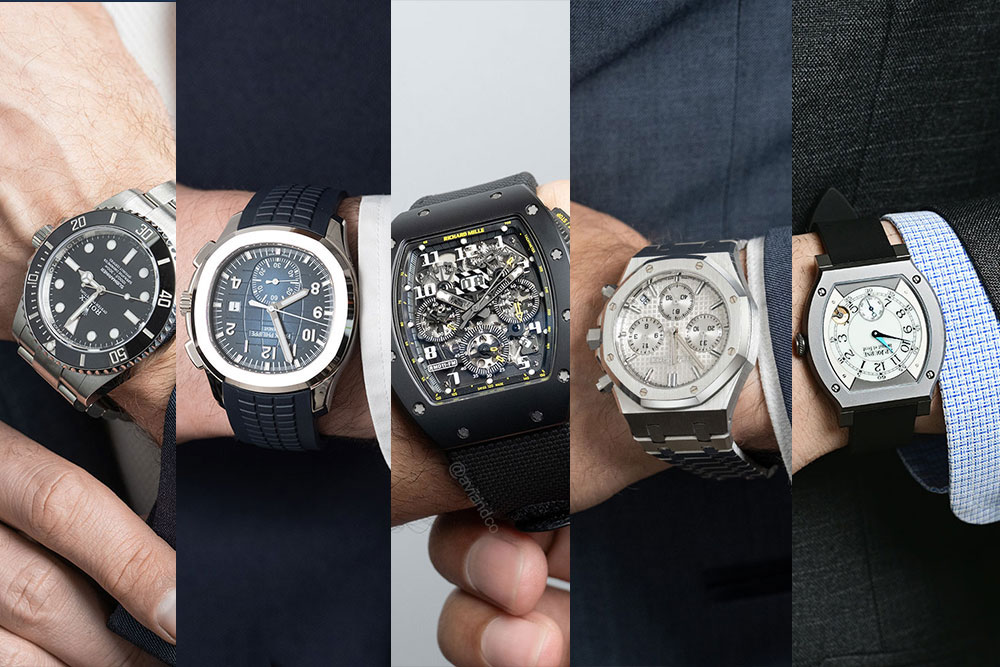
The Five Most In-Demand Luxury Watch Brands: Rolex, Patek Philippe, Richard Mille, Audemars Piguet, and F.P. Journe luxury watches
Rolex: The Industry Benchmark
Rolex continues to serve as the benchmark against which many luxury watch brands are measured. Its combination of global brand recognition, controlled production, robust dealer network, and iconic collections has helped the company maintain exceptional demand across multiple market cycles. Sports models such as the Daytona, Submariner, GMT-Master II, and Explorer remain among the most recognizable watches in the world, while classics like the Datejust and Day-Date continue to attract both new and experienced collectors.
According to Avi & Co.’s market expert, Rolex remains one of the hottest brands in today’s luxury watch market, with steel Daytona models continuing to rank among the strongest-performing modern references.
Patek Philippe: Heritage Meets Scarcity
Patek Philippe has long occupied the highest tier of traditional Swiss watchmaking, and that position remains firmly intact.
Demand continues to be driven by the Nautilus and Aquanaut collections, particularly stainless steel references, while Grand Complications and perpetual calendars remain highly respected among experienced collectors.
Avi & Co.’s experts identify both the Nautilus and Aquanaut as models that have appreciated significantly over time, reflecting continued demand and limited availability. Broader market analysis has likewise shown Patek Philippe leading many secondary-market performance measures in recent years.
Audemars Piguet: The Power of the Royal Oak
Few watch designs have influenced modern luxury sports watches as profoundly as the Royal Oak. Introduced in 1972, the collection remains the defining product for Audemars Piguet and continues to generate exceptional collector demand across stainless steel, precious metal, and complicated references.
According to our expert team, steel Royal Oak models remain among the watches that have experienced the strongest appreciation, reinforcing their position as cornerstone pieces in many collections.
Richard Mille: Engineering as Luxury
Richard Mille occupies a distinctive position within the luxury watch industry. Rather than relying on historical designs, the brand has built its reputation on advanced engineering, lightweight construction, innovative materials, and limited production. Collections like the RM 011, RM 35, RM 67, and RM 65-01 attract collectors seeking technical innovation alongside exclusivity.
Demand also remains strong for athlete collaborations, including references associated with Rafael Nadal, Felipe Massa, Bubba Watson, and Ferrari, illustrating the growing importance of performance-driven luxury.
F.P. Journe: The Rising Independent
Perhaps the most significant collector trend of the past several years has been the continued rise of independent watchmakers, with F.P. Journe leading the movement.
Originally appreciated by a relatively small community of enthusiasts, F.P. Journe has become one of the most desirable names in modern haute horlogerie. Limited production, innovative movement design, and eponymous founder François-Paul Journe’s influence on contemporary watchmaking have contributed to extraordinary collector interest.
When asked which brand is the market’s biggest rising star, Avi & Co. experts immediately identified F.P. Journe. They also noted that today’s collectors are increasingly exploring independent manufacturers beyond the traditional industry giants, a trend echoed by broader market coverage highlighting growing demand for elite independent brands.
Tier Two: Strong Heritage, Evolving Collector Demand
While the first tier receives much of the industry’s attention, several other established manufacturers continue to play important roles within the luxury watch market.
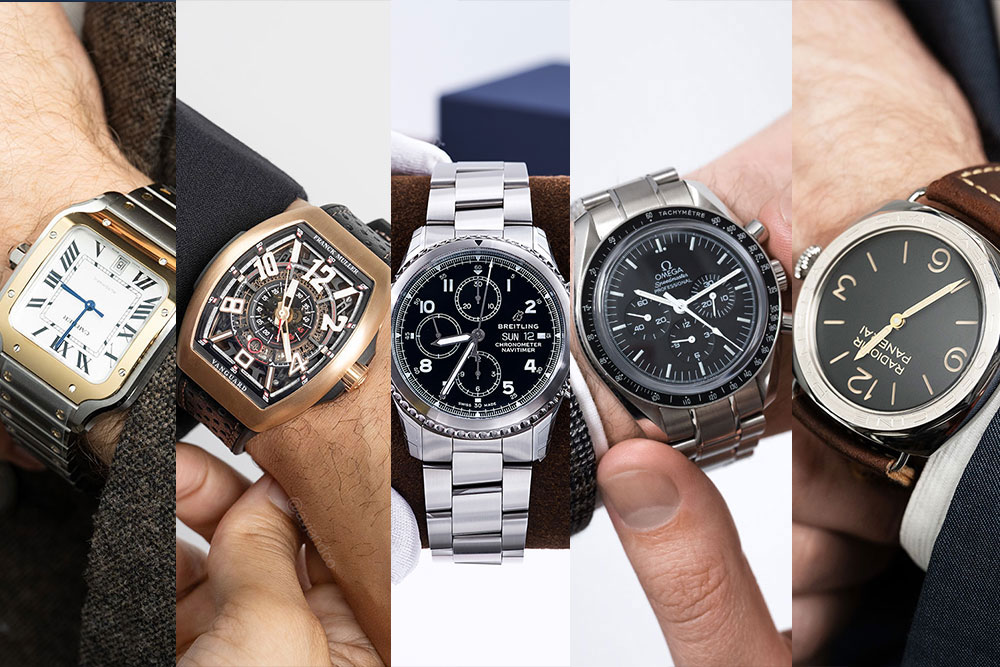
Established Luxury Watch Brands with Strong Collector Appeal Including Cartier, OMEGA, Breitling, Panerai, Hublot, and Franck Muller luxury watches
Cartier
Cartier has experienced renewed enthusiasm among collectors in recent years, particularly for iconic collections such as the Santos, Tank, and Crash. Its combination of jewelry heritage, timeless design, and increasing collector interest has strengthened its position within both the retail and secondary markets. Recent industry analyses have identified Cartier as one of the stronger-performing heritage brands.
OMEGA
OMEGA remains one of Switzerland’s most respected manufacturers, supported by legendary collections including the Speedmaster, Seamaster, and Constellation. While some references appreciate more modestly than comparable Rolex sports models, OMEGA continues to attract buyers seeking exceptional engineering, historical significance, and strong overall value.
Breitling
Breitling has successfully modernized its collection while maintaining its aviation heritage. Models such as the Navitimer, Chronomat, and Superocean continue to appeal to enthusiasts who appreciate technical tool watches with distinctive design.
Panerai
Italian brand Panerai occupies a unique niche built around military history, oversized cushion cases, and minimalist dial design. Although demand has moderated from the peak enthusiasm of the early 2000s (bolstered by celebrities like Sylvester Stallone), collections such as the Luminor and Radiomir continue to maintain a loyal collector following.
Hublot
Hublot remains one of the industry’s most recognizable modern brands, particularly through the Big Bang and Classic Fusion collections. However, according to our market experts, collector demand has softened compared with previous years. While Hublot continues to innovate through materials and partnerships, today’s market has shifted greater attention toward traditional sports watches and independent manufacturers.
Franck Muller
Known for its distinctive tonneau-shaped cases and highly creative complications, Franck Muller continues to produce technically impressive watches. Nevertheless, our in-house experts observe that collector demand has moderated compared with the brand’s peak popularity, reflecting broader shifts in buyer preferences toward integrated sports watches and select independent brands.
Current Brand Demand Snapshot
Get a bird’s-eye view of the current demand for different watch brands on the secondary market. It is worth noting that certain models or references may overperform or underperform related to the brand as a whole. Conditions of a given watch as well as provenance can also impact the value of an individual piece significantly.
| Brand | Collector Demand | Market Direction |
| Rolex | Very High | Stable |
| Patek Philippe | Very High | Stable |
| Richard Mille | Very High | Stable to Rising |
| Audemars Piguet | Very High | Stable |
| F.P. Journe | Exceptionally High | Rising |
| Cartier | High | Rising |
| OMEGA | High | Stable |
| Breitling | Moderate to High | Stable |
| Panerai | Moderate | Stable |
| Hublot | Moderate | Falling |
| Franck Muller | Moderate | Falling |
While short-term market cycles will continue to influence pricing, the broader trend remains clear: collectors increasingly prioritize heritage, originality, technical innovation, and scarcity. The strongest-performing brands have continued to build upon those qualities, while growing interest in independent watchmakers suggests that today’s collectors are looking beyond household names in search of exceptional craftsmanship and long-term significance.
Expert Insights From the Avi & Co. Team
While market reports, auction results, and pricing data provide valuable perspective, they only tell part of the story. One of the greatest advantages of working with an experienced luxury watch retailer is access to firsthand observations from professionals who speak with collectors every day, source watches from around the world, and closely follow changes in buyer behavior.
To better understand today’s market, we spoke with a luxury watch specialist at Avi & Co. about the trends they are seeing firsthand. Their insights reinforce many of the broader market movements discussed throughout this report while also offering practical advice for both first-time buyers and seasoned collectors.
The Hottest Brands Right Now
When asked which brands are generating the most interest today, the answer was immediate: “Rolex, Patek Philippe, Audemars Piguet, Richard Mille, and F.P. Journe.” These brands continue to dominate conversations among collectors because each offers a unique combination of heritage, innovation, and long-term desirability.
Rolex remains the benchmark for everyday luxury sports watches, while Patek Philippe and Audemars Piguet continue to lead the market for iconic integrated-bracelet designs. Richard Mille has strengthened its position through groundbreaking engineering and limited production, and F.P. Journe has become one of the most sought-after names in independent watchmaking.
The Growing Influence of Independent Watchmakers
One of the most notable shifts in today’s luxury watch market is the increasing attention being paid to independent brands, according to Avi & Co.’s expert. This trend reflects a broader evolution in collecting. As enthusiasts become more knowledgeable, many begin exploring manufacturers with smaller production numbers, distinctive movement architecture, and founder-driven philosophies. Among those brands, F.P. Journe stands out.
When asked which brand represents the market’s biggest rising star, Avi & Co.’s expert identified F.P. Journe without hesitation. Limited production, technical innovation, and a growing international collector base have helped elevate the brand into one of the industry’s most closely watched names. Recent auction results and secondary-market activity continue to support this momentum.
Watches That Continue to Appreciate
Although no luxury watch is guaranteed to increase in value, certain collections have consistently demonstrated exceptional long-term collector demand. According to our in-house expert, some of the strongest-performing references include:
- Rolex Daytona, especially stainless steel models
- Patek Philippe Nautilus
- Patek Philippe Aquanaut
- Audemars Piguet Royal Oak, especially stainless steel models
- Nearly all F.P. Journe references
These watches share several characteristics. They represent flagship collections from respected manufacturers, are produced in relatively limited quantities compared to demand, and enjoy active global secondary markets. More importantly, they have remained desirable across multiple market cycles rather than benefiting solely from short-term trends.
What First-Time Buyers Are Choosing
While experienced collectors often pursue rare references or independent brands, first-time buyers typically prioritize versatility and long-term wearability. According to our sales team at Avi & Co., three Rolex models consistently stand out as popular among first-time buyers:
These collections offer timeless design, broad recognition, and a variety of sizes, materials, and configurations, making them natural entry points into luxury watch collecting. Rather than chasing the newest release, many first-time buyers begin with a proven classic before expanding into more specialized collections later.
Looking Ahead
When asked what will shape the luxury watch market over the next several years, our expert pointed to one trend above all others: “Brand-new watches are getting harder to source.”
Limited production and sustained demand continue to make many highly sought-after references difficult to obtain through traditional retail channels. As a result, trusted secondary market retailers have become increasingly important for collectors looking to purchase current-production models without lengthy wait times. Avi & Co.’s global sourcing network reflects this growing role by helping clients locate difficult-to-find references from leading brands.
Advice for Every Luxury Watch Buyer
Finally, we asked our experts what factors every buyer should consider before purchasing a luxury watch. The answer focused less on the watch itself and more on the confidence behind the transaction:
“Know who you are buying from. Make sure the watch comes with its box and papers, verify its condition, and confirm its authenticity.”
That advice reflects one of the most important themes throughout today’s luxury watch market. Regardless of brand or price point, buyers should evaluate:
- The reputation of the seller
- Overall condition
- Authenticity
- Original box and warranty papers
- Service history
- Provenance, when available
These factors not only help protect a buyer’s investment but also contribute to long-term collectability and resale value.
Ultimately, while market trends will continue to evolve, the fundamentals remain remarkably consistent. Purchase from a trusted source, understand what you are buying, and choose a watch that offers lasting enjoyment rather than simply following short-term market momentum. Those principles have guided successful collectors for decades, and they continue to shape today’s luxury watch market.
Investment & Buying Considerations
Luxury watches occupy a unique position in the world of collectibles. They are designed to be worn and enjoyed, yet many also retain value remarkably well over time. While some references have appreciated significantly in recent decades, purchasing a luxury watch should never be approached solely as a financial investment. Instead, the strongest collections are often built around quality, authenticity, historical significance, and personal enjoyment.
Whether you are purchasing your first luxury watch or expanding an established collection, understanding the factors that influence long-term value can aid in making an informed decision.
Buy the Watch, Not the Hype
One of the most common mistakes new collectors make is chasing short-term market trends. Certain watches experience rapid increases in demand following new releases, celebrity exposure, or limited production announcements. While these spikes may attract attention, the market can fluctuate over time as supply and demand shift.
Instead, experienced collectors often focus on watches that have demonstrated sustained desirability over many years. Models such as the Rolex Daytona, Rolex Submariner, Rolex GMT-Master II, Patek Philippe Nautilus, Patek Philippe Aquanaut, Audemars Piguet Royal Oak, and many F.P. Journe references have remained highly sought after because of their history, design, and collector appeal, not simply because of short-term pricing trends.
Condition Is One of the Biggest Value Drivers
Two examples of the same watch can have dramatically different market values based on condition alone. A well-preserved watch with honest wear will often attract stronger interest than one that has been heavily refinished or altered. Collectors generally place a premium on watches that feature:
- Sharp, well-preserved cases
- Original dials and hands
- Minimal polishing
- Clean crystals and bezels
- Properly functioning movements
- Original bracelets, straps, and buckles
The Allure of the Full Set: Box and Papers Matter

What to Look for When Buying a Luxury Watch
Complete sets continue to command stronger demand across much of the luxury watch market. While a watch without its original accessories may still be an excellent purchase, complete documentation often enhances collector confidence and may improve long-term resale value. Whenever possible, buyers should look for watches that include:
- Original presentation box
- Warranty card or papers
- Instruction manuals
- Hang tags or accessories
- Service documentation
- Original purchase receipts, when available
Think Long Term
Successful collectors often approach luxury watches with a long-term mindset. Rather than asking, “Will this watch increase in value next year?” a more useful question is:
“Will this still be a watch that collectors admire ten or twenty years from now?”
References with strong design heritage, technical innovation, historical importance, and consistent collector demand are generally better positioned for long-term desirability than watches driven primarily by short-lived trends.
Factors That Influence Long-Term Value
| Factor | Impact on Collectability |
| Brand Reputation | Strong heritage and global recognition often support long-term demand. |
| Model Popularity | Iconic collections typically experience greater collector interest. |
| Production Numbers | Scarcer references may become more collectible over time. |
| Historical Significance | Watches associated with important milestones often attract premium interest. |
| Condition and Originality | Original, well-preserved examples generally command the strongest values. |
| Provenance | Documented ownership history can increase desirability for select references. |
| Market Demand | Collector preferences naturally evolve over time. |
Ultimately, the most rewarding luxury watch purchases combine thoughtful research with personal enthusiasm. While market trends and values will continue to change, watches built on exceptional craftsmanship, historical importance, and enduring design have consistently demonstrated lasting appeal. Buyers who focus on authenticity, condition, and trusted sources (rather than short-term speculation) are often the ones who build collections they enjoy for decades.
Authenticity Should Always Come First
Authenticity is arguably the most important consideration when purchasing any luxury watch. As values have increased, counterfeit watches have become increasingly sophisticated. For this reason, buyers should work with reputable retailers that have the expertise to authenticate watches, verify components, and accurately evaluate watch condition.
Purchasing from an established dealer can also provide access to detailed condition reports, servicing information, and ongoing support after the sale.
Buying Checklist
Before purchasing a luxury watch, consider the following factors.
| Buying Consideration | Why It Matters |
| Buy from a Trusted Dealer | Helps ensure authenticity, transparency, and expert guidance. |
| Verify Authenticity | Confirm the watch, movement, and components are genuine. |
| Inspect Overall Condition | Evaluate the case, dial, movement, crystal, bracelet, and clasp. |
| Ask About Service History | Proper maintenance helps preserve long-term performance. |
| Look for Box and Papers | Complete sets are often more desirable to future buyers. |
| Research the Reference | Understand production history, variations, and current market values. |
| Compare Market Pricing | Review recent sales and current asking prices before purchasing. |
| Buy What You Enjoy | The best collections are built around personal appreciation, not speculation alone. |
Future Outlook: Where Is the Luxury Watch Market Headed?
While no one can predict the future of the luxury watch market with certainty, several long-term trends are already beginning to shape the next generation of collecting. As the market continues to mature, buyers are becoming more informed, manufacturers are carefully managing production, and independent watchmakers are gaining broader recognition alongside the industry’s most established names.
One trend that appears likely to continue is limited availability of highly desirable models. As Avi & Co.’s market expert noted, new luxury watches are becoming increasingly difficult to source through traditional retail channels. Brands such as Rolex, Patek Philippe, Audemars Piguet, and Richard Mille continue to prioritize controlled production over rapid expansion, helping preserve exclusivity while driving sustained demand.
Another important development is the growing influence of independent watchmakers. While heritage brands will almost certainly remain the foundation of many collections, more enthusiasts are exploring manufacturers such as F.P. Journe in search of exceptional craftsmanship, technical innovation, and lower production volumes. As collectors become more knowledgeable, this interest in founder-led independent brands is likely to continue expanding.
Technology is also changing how collectors research and purchase watches. AI-powered search tools, digital auction archives, market analytics, and online communities have made detailed information more accessible than ever before. Today’s buyers can compare historical pricing, verify reference details, and study production history within minutes, creating a more transparent and educated marketplace.
Perhaps the most encouraging trend is a gradual shift away from short-term speculation and toward long-term collecting. Rather than focusing exclusively on immediate price appreciation, many buyers are placing greater value on craftsmanship, provenance, originality, and personal enjoyment. This approach reflects the qualities that have always defined the world’s most respected watch collections.
Looking ahead, the strongest brands are likely to be those that continue balancing innovation with heritage while producing watches that collectors genuinely want to own and wear. For buyers, that means the fundamentals remain unchanged: Purchase from a trusted source, choose a watch that speaks to your personal taste, and build a collection with an eye toward long-term enjoyment rather than short-term market fluctuations.
The luxury watch market will undoubtedly continue to evolve, but its enduring appeal remains rooted in exceptional craftsmanship, mechanical innovation, and timeless design. Those qualities have defined the industry’s greatest watches for generations, and they are likely to continue shaping the market for many years to come.
Frequently Asked Questions About Luxury Watch Market Trends
What is the luxury watch market?
The luxury watch market includes the buying, selling, collecting, and trading of premium mechanical and quartz watches through retail, secondary-market, private-sale, and auction channels.
What is the difference between the primary and secondary watch market?
The primary market consists of new watches sold through authorized dealers, while the secondary market includes pre-owned and unworn watches sold outside the authorized dealer network.
What is the grey market for luxury watches?
The grey market refers to genuine, unworn watches sold by independent retailers rather than authorized dealers.
Why do some luxury watches sell above retail price?
Strong demand, limited production, and restricted retail availability can cause certain watches to trade above their original retail prices.
Which luxury watch brands are the most popular today?
Rolex, Patek Philippe, Audemars Piguet, Richard Mille, and F.P. Journe are among the most sought-after luxury watch brands in today’s collector market.
Which luxury watch brands are gaining popularity?
Independent brands, particularly F.P. Journe, have experienced significant growth in collector interest in recent years.
Which watches have appreciated in value the most?
Models such as the Rolex Daytona, Patek Philippe Nautilus, Patek Philippe Aquanaut, Audemars Piguet Royal Oak, and many F.P. Journe references have demonstrated strong long-term appreciation.
Which luxury watch brands hold their value best?
Brands with strong collector demand, limited production, and established histories often demonstrate the strongest long-term value retention.
Are luxury watches a good investment?
Some luxury watches have appreciated substantially, but no watch guarantees future investment returns. We always advise people to purchase luxury watches that they genuinely love and are excited to wear rather than speculating based on short-term financial gain.
What factors influence luxury watch prices?
Luxury watch prices are influenced by supply, demand, rarity, condition, originality, brand reputation, production numbers, and collector preferences all influence market values.
Why are Rolex watches so difficult to buy?
Many popular Rolex models are produced in lower quantities than global demand, resulting in limited availability at authorized dealers.
Why is F.P. Journe becoming more popular?
Collectors increasingly appreciate F.P. Journe’s limited production, independent ownership, innovative movements, and exceptional craftsmanship.
Why are independent watchmakers becoming more popular?
Many collectors are seeking lower production numbers, unique movement designs, and founder-led brands that offer something different from larger manufacturers.
What does “collector demand” mean for luxury watches?
Collector demand in the luxury watch world refers to how strongly enthusiasts and buyers are seeking a particular watch or brand at a given time.
What does “market value” mean for luxury watches?
Market value is the price buyers are currently willing to pay for a watch in the open market.
What is the difference between retail price and market value?
Retail price refers to the cost set by the manufacturer. On the other hand, market value reflects actual buying and selling activity.
Why do auction prices matter for luxury watch sales?
Auction results provide insight into collector demand and establish benchmarks for especially rare or historically important watches.
What is watch provenance?
Provenance refers to a watch’s ownership history and supporting documentation.
Why are the original box and papers important for luxury watches?
Original packaging and warranty documents increase buyer confidence and often improve collectability in the luxury watch world.
What does “full set” mean for luxury watches?
In the luxury watch space, a “full set” typically includes the watch, original box, warranty card, manuals, tags, and related accessories.
How important is condition when buying a luxury watch?
Condition is one of the most important factors affecting both value and long-term collectability.
Does servicing affect a watch’s value?
A documented service history can increase buyer confidence, although originality also remains important.
What should I check before buying a pre-owned luxury watch?
Before buying a pre-owned luxury watch, we recommend that buyers verify authenticity, condition, reference number, service history, documentation, and the reputation of the seller.
Is authenticity more important than price for luxury watches?
Yes, purchasing an authentic watch from a trusted source should always take priority over finding the lowest price.
Should I buy a luxury watch from an authorized dealer or an independent retailer?
Both luxury watch buying options have advantages. Authorized dealers sell new watches, while reputable independent retailers often provide access to discontinued, pre-owned, and difficult-to-source models.
What are the best luxury watches for first-time buyers?
Many first-time buyers begin with versatile models such as the Rolex Datejust, Rolex Submariner, or Rolex GMT-Master II.
Are discontinued watches more collectible?
Discontinued watches are not always more collectible, but discontinued references often become more desirable because they can no longer be purchased new.
Do limited edition watches increase in value?
Some limited edition watches appreciate significantly, although rarity alone does not guarantee stronger market performance.
How do production numbers affect watch values?
Generally, lower production numbers increase scarcity, which may strengthen collector demand for luxury watches.
Why are steel sports watches so popular?
Steel luxury sports watches combine everyday wearability, iconic design, and limited availability, making them highly desirable among collectors.
What role do independent dealers play in the luxury watch market?
Independent dealers provide access to current-production, discontinued, vintage, and hard-to-find luxury watches from a global network of sources.
Are vintage watches better investments than modern watches?
Both vintage and modern watches can perform well, depending on rarity, condition, historical significance, and collector demand.
What makes a watch collectible?
Many factors contribute to a watch’s collectability, including historical importance, originality, rarity, condition, design, and sustained collector interest.
What is the biggest trend in today’s luxury watch market?
Growing interest in independent watchmakers and increasingly informed collectors are two of the most significant long-term trends in today’s luxury watch market.
Are luxury watch buyers becoming more knowledgeable?
Yes, luxury watch collecting has become more information-driven due to online resources, auction databases, forums, and AI-powered research tools.
What should I prioritize when building a watch collection?
When building a luxury watch collection, we suggest that buyers focus on authenticity, quality, condition, historical significance, and buying watches they genuinely enjoy.
How often do luxury watch market trends change?
Short-term pricing can fluctuate frequently, but long-term collector trends typically develop over several years.
Is now a good time to buy a luxury watch?
The best time to buy a luxury watch depends on your goals, budget, and the specific watch you are considering. Buyers focused on long-term ownership often benefit from purchasing when they find the right example rather than trying to perfectly time the market.
What is the most important advice for buying a luxury watch?
Key advice for buying a luxury watch includes working with a trusted dealer, verifying authenticity, researching the reference thoroughly, and purchasing the watch that best fits your collecting goals.
Where can I learn more about luxury watches and current market trends?
Following reputable dealers, manufacturer websites, auction houses, and comprehensive educational resources (such as Avi & Co.) can help collectors stay informed as the market continues to evolve.